When Fiber Helps—and How to Choose the Right One
“Eat more fiber”
It is one of the most common recommendations given to people struggling with constipation. Fiber can absolutely be helpful—but what happens when adding more leaves you feeling even more bloated, uncomfortable, and backed up?
That was my experience. Years ago, nearly every doctor I visited encouraged me to increase my fiber to improve my constipation and help heal my gut. I followed that advice, but instead of getting things moving, I became more constipated. My abdomen grew painfully distended, and the pressure sometimes made it difficult to take a comfortable, deep breath.
I knew fiber was important, but I also learned that simply taking more was not the answer. I needed to understand that different fibers behave differently—and that the fiber commonly recommended first is not necessarily the best choice for every digestive system.


Why Do We Need Fiber?
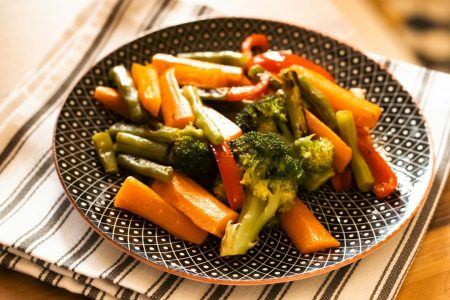
Fiber is the part of plant food that our digestive enzymes cannot completely break down. Depending on its properties, fiber may:
- Add bulk and structure to stool
- Hold water and help soften stool
- Support more regular bowel movements
- Feed certain beneficial intestinal microbes
- Support the production of short-chain fatty acids
- Help regulate blood sugar and cholesterol
Adults are generally advised to consume approximately 22–34 grams of fiber daily, depending on age and sex. However, rapidly increasing fiber—especially when bowel movements are already slow—can cause additional gas, bloating, pressure, or discomfort (National Institute of Diabetes and Digestive and Kidney Diseases [NIDDK], n.d.).
Fiber is a tool, not a universal cure. If constipation is related to slow intestinal transit, pelvic-floor dysfunction, medication effects, thyroid disease, intestinal methanogen overgrowth, or another underlying problem, increasing fiber alone may not correct it.
Soluble and Insoluble Fiber: What Is the Difference?
Most fiber-containing foods provide a mixture of fiber types, but fiber is commonly divided into two broad categories.
Soluble Fiber
Soluble fiber interacts with water and may form a soft gel. Depending on the individual fiber, it may help soften hard stool, improve stool consistency, and feed beneficial gut microbes.
Sources include:
- Oats and barley
- Beans and lentils
- Chia and flaxseeds
- Certain fruits and vegetables
- Psyllium
- Partially hydrolyzed guar gum
- Acacia fiber
- Inulin and chicory-root fiber
Soluble fibers are not all alike. Some are highly fermentable, meaning intestinal microbes break them down quickly. This may support the microbiome, but it can also create considerable gas and bloating in sensitive people.
Insoluble Fiber
Insoluble fiber does not dissolve in water. It primarily adds bulk and may help stool move through the digestive tract more efficiently.
Sources include:
- Wheat bran
- Whole grains
- Nuts and seeds
- Vegetable skins
- Leafy vegetables
- Cellulose
Insoluble fiber may be useful for someone whose digestive system moves normally but needs additional stool bulk. It may be less comfortable when transit is very slow or when a person already feels blocked, severely bloated, or unable to empty completely.
Psyllium: The Most Common Starting Point
Psyllium is a soluble, gel-forming fiber found in many widely available fiber supplements. It holds water, increases stool bulk, and may improve stool consistency. Among the fiber supplements evaluated in current constipation guidelines, psyllium has some of the strongest supporting evidence (Chang et al., 2023).
Many people do very well with it—but I did not.
For me, psyllium created too much bulk and made my bloating and constipation worse. This does not mean psyllium is a bad product. It means that even a well-researched fiber may not be appropriate for every person, particularly if stool is moving very slowly or emptying is already difficult.
Psyllium must also be taken with adequate fluid. Anyone with difficulty swallowing, a suspected intestinal narrowing, severe abdominal pain, or possible obstruction should speak with a healthcare professional before using a bulk-forming fiber.
Other Fibers Worth Knowing About
If psyllium is not well tolerated, it may be helpful to discuss other options with a physician or registered dietitian.
Partially Hydrolyzed Guar Gum
Partially hydrolyzed guar gum, or PHGG, is a soluble prebiotic fiber. Sunfiber is one branded form of PHGG. It dissolves easily and generally does not become as thick or gel-like as psyllium.
PHGG has been studied for constipation and certain IBS symptoms, although the evidence is not as extensive as it is for psyllium. Some studies suggest that it may improve stool consistency or reduce reliance on laxatives in certain populations (Chan et al., 2022).
PHGG became a better option for me. I started with a very small amount in a smoothie and increased it gradually, paying close attention to my symptoms.
Acacia Fiber
Acacia, sometimes called gum arabic, is a soluble and fermentable fiber. It can act as a prebiotic, but tolerance varies. Some products combine acacia with PHGG.
Because it is fermented by gut microbes, it may initially cause gas. A small amount may be easier to tolerate than starting with the full serving listed on the label.
Methylcellulose
Methylcellulose is a manufactured soluble fiber that absorbs water and adds bulk. It is generally less fermentable than inulin, so it may create less gas for some people. However, because it still increases stool volume, it may not be comfortable for everyone with slow transit or difficulty emptying.
Wheat Dextrin
Wheat dextrin is a soluble fiber used in several clear-mixing powders. It dissolves easily, but individual responses vary. A product labeled “wheat dextrin” may meet the FDA definition of gluten-free when appropriately processed and tested, but someone with celiac disease or a wheat-related condition should verify the individual product with a healthcare professional and carefully review its labeling.
Inulin and Chicory-Root Fiber
Inulin is a highly fermentable prebiotic fiber commonly derived from chicory root. It is frequently added to fiber powders, protein bars, snack foods, and products marketed for gut health.
Inulin may feed beneficial bacteria, but it can also produce significant gas, bloating, and abdominal distention—particularly in people with IBS or sensitivity to fermentable carbohydrates. “Prebiotic” does not automatically mean gentle or appropriate for every gut.
Labels may list it as:
- Inulin
- Chicory-root fiber
- Fructooligosaccharides
- FOS
- Oligofructose
- Jerusalem artichoke fiber
Resistant Starch
Resistant starch escapes digestion in the small intestine and is fermented in the colon. Sources include beans, lentils, firm bananas, cooked-and-cooled potatoes or rice, and certain resistant-starch powders.
It may support beneficial microbes and short-chain fatty-acid production, but it can also cause gas when introduced too quickly.
Ground Flaxseed and Chia Seeds
Flax and chia provide a mixture of soluble and insoluble fiber. When combined with liquid, they form a gel that may help soften and add structure to stool. They also contribute nutrients and healthy fats.
Whole seeds may pass through the digestive system without being fully broken down, so ground flaxseed may be more useful for some people. Both should be introduced gradually and taken with adequate fluid.
Start Low, Go Slow—and Test One Fiber at a Time
The most important lesson I learned was not to begin with the full serving listed on the container.
When introducing a new fiber, consider these principles:
- Discuss fiber supplementation with your healthcare professional, especially if you have severe or unexplained constipation.
- Begin with a small amount rather than a full serving.
- Increase gradually only if the current amount is comfortable.
- Drink sufficient fluid unless you have been instructed to restrict fluids.
- Introduce only one new fiber at a time.
- Keep brief notes about the amount taken, stool consistency, bowel-movement frequency, bloating, pain, and completeness of emptying.
- Do not assume that worsening symptoms mean the fiber is “detoxing” your body or that you must continue pushing through them.
NIDDK recommends adding fiber gradually; for people with IBS, increasing intake by approximately 2–3 grams per day may help reduce gas and bloating (NIDDK, n.d.).
Are Gas and Bloating Normal?
A small, temporary increase in gas can occur when introducing a fermentable fiber because intestinal microbes are adjusting to a new food source. That does not mean every symptom should be ignored.
Mild gas that settles as your body adjusts is different from:
- Increasing abdominal distention
- Moderate or severe abdominal pain
- Constipation that is clearly worsening
- A significant reduction in bowel movements
- Persistent nausea or vomiting
- Inability to pass stool or gas
- A firm or increasingly swollen abdomen
- Shortness of breath caused by abdominal pressure
If symptoms are substantial, do not keep increasing the dose. Stop the supplement and contact a healthcare professional. Severe pain, vomiting, marked abdominal swelling, or inability to pass gas or stool may indicate an intestinal obstruction and requires urgent medical evaluation.
What Should You Look for in a Fiber Supplement?
Before purchasing a product, turn the container around and read the ingredient list. Consider:
- The actual fiber: Is it psyllium, PHGG, acacia, methylcellulose, wheat dextrin, inulin, or a blend?
- Fiber per serving: A scoop may contain much less—or much more—fiber than expected.
- Serving size: Some products recommend several scoops per day.
- Added prebiotics: Inulin, FOS, GOS, or chicory root may increase fermentation and gas.
- Sweeteners: Sugar alcohols such as sorbitol, mannitol, xylitol, and erythritol can cause digestive symptoms in some people.
- Flavors and additives: A long ingredient list makes it harder to identify what is causing a reaction.
- Allergens and certifications: Check for wheat, gluten, dairy, soy, or other ingredients relevant to your health needs.
- Third-party testing: Look for independent quality testing when available.
- Medication timing: Fiber may affect the absorption of certain medications, so ask a pharmacist how far apart they should be taken.
In future posts, I will compare several fiber products and explain what is actually inside them—not just what the front of the label promises.
How Do You Know Fiber Is Not Working?
A fiber may not be the right match if it repeatedly:
- Makes you more constipated
- Causes progressively worse bloating or pain
- Creates excessive bulk without improving evacuation
- Leaves you feeling more blocked or incompletely emptied
- Requires escalating doses without meaningful improvement
- Interferes with eating, sleeping, exercising, or normal daily activities
You do not earn extra credit for tolerating a supplement that makes you miserable. Sometimes the answer is a different fiber, a lower amount, fiber from food instead of a powder—or an evaluation for a problem that fiber cannot fix.
What Finally Helped Me
My turning point was accepting that I could not force my gut to tolerate psyllium simply because it was the most commonly recommended option.
I started low, increased slowly, and experimented carefully with other fibers. PHGG was easier for me to incorporate into smoothies without the same painful bulk I experienced with psyllium. That experience taught me to treat fiber as something personal and adjustable—not as a one-size-fits-all prescription.
Fiber can be valuable, but the right question is not simply, “How can I get more?”
The better questions are:
- What kind of fiber am I using?
- What is it supposed to do?
- Is it improving my stool or only creating more bulk?
- Can my digestive system move that additional bulk forward?
- How does my body actually respond?
The goal is not to consume the largest amount of fiber possible. The goal is to find an amount and type that supports your digestion without making your symptoms worse.
Important Note
I am a nurse sharing my personal experience and educational information, but I am not your doctor or healthcare provider. This article does not diagnose or treat medical conditions and should not replace individualized medical advice. Consult your physician, gastroenterologist, registered dietitian, or pharmacist before beginning or changing a fiber supplement—especially if you have severe constipation, swallowing difficulties, previous bowel obstruction, intestinal narrowing, inflammatory bowel disease, significant abdominal pain, or unexplained digestive symptoms.
References
Chan, T. C., Yu, V. Y., Lee, W. T., Choi, K. C., & Cheung, W. H. (2022). Effectiveness of partially hydrolyzed guar gum in reducing constipation in long-term care facility residents: A randomized single-blinded placebo-controlled trial. Journal of Nutrition, Health & Aging, 26, 247–251. https://pubmed.ncbi.nlm.nih.gov/35297467/
Chang, L., Chey, W. D., Imdad, A., Almario, C. V., Bharucha, A. E., Diem, S., Greer, K. B., Hanson, B., Harris, L. A., Ko, C., Murad, M. H., Patel, A., Shah, E. D., & Sultan, S. (2023). American Gastroenterological Association–American College of Gastroenterology clinical practice guideline: Pharmacological management of chronic idiopathic constipation. Gastroenterology, 164(7), 1086–1106. https://doi.org/10.1053/j.gastro.2023.03.214
National Institute of Diabetes and Digestive and Kidney Diseases. (n.d.). Eating, diet, & nutrition for constipation. U.S. Department of Health and Human Services. https://www.niddk.nih.gov/health-information/digestive-diseases/constipation/eating-diet-nutrition
National Institute of Diabetes and Digestive and Kidney Diseases. (n.d.). Eating, diet, & nutrition for irritable bowel syndrome. U.S. Department of Health and Human Services. https://www.niddk.nih.gov/health-information/digestive-diseases/irritable-bowel-syndrome/eating-diet-nutrition